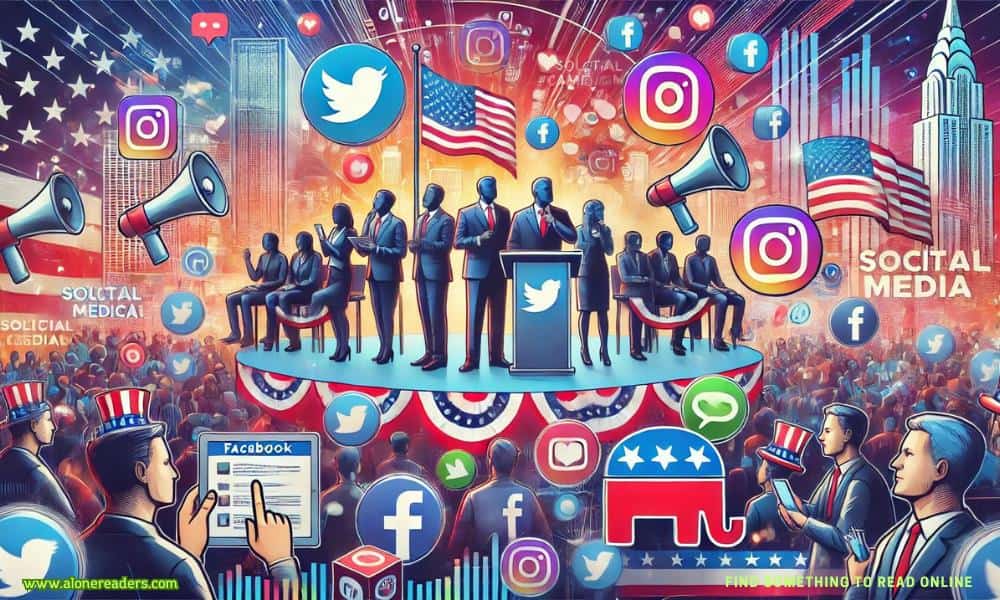

Social media in politics How a scroll on a phone became a force in how leaders speak, campaigns run, and citizens participate — in India and beyond.
Have we ever stopped to think about how often we learn about politics through our phones instead of newspapers or television? Every day, millions of people scroll through social media platforms to read news, watch political speeches, share opinions, and join discussions. In just a few minutes, a single post can reach thousands — or even millions — of people.
This shift has changed the way politics works around the world, including in India. Political leaders, government agencies, political parties, journalists, and citizens all use digital platforms to communicate, debate, and influence public opinion. At the same time, social media has created new challenges, such as misinformation, online harassment, and the rapid spread of unverified content.
In this article, we will explore the influence of social media in politics, understand its benefits and drawbacks, and examine how it affects governments, election campaigns, and citizens. Whether we are voters, students, or simply interested in current affairs, understanding this topic helps us become more informed digital citizens.
What Is Social Media in Politics?
Social media in politics refers to the use of digital platforms to communicate political ideas, share information, engage with citizens, and influence public opinion. These platforms allow politicians, political parties, government organizations, and voters to interact directly without relying only on traditional media.
Unlike newspapers or television, social media encourages two-way communication. Citizens can comment, ask questions, express opinions, and participate in discussions almost instantly.
Common political uses include:
- Sharing policy announcements
- Promoting election campaigns
- Conducting public awareness campaigns
- Live-streaming speeches and events
- Gathering public feedback
- Encouraging voter participation
As internet access continues to grow, social media has become an important part of modern democracy.
How Social Media Has Changed Political Communication
Political communication has evolved significantly over the last decade. Earlier, politicians mostly depended on television interviews, newspapers, rallies, and public meetings. Today, digital platforms provide a faster and more direct way to reach people.
Direct Communication
Leaders can communicate directly with citizens through posts, videos, and live sessions.
Faster Information Sharing
Important announcements can reach millions within minutes.
Public Engagement
Citizens can react immediately by commenting, sharing, or discussing political topics.
This transformation has made political communication more accessible while also increasing the speed at which information spreads.
The Influence of Social Media in Political Campaigning
One of the biggest changes in modern elections is the growing influence of social media in political campaigning.
Political parties now use digital platforms to connect with voters throughout an election cycle rather than only during campaign rallies.
Ai in Education
We live in a time where technology changes our learning every day. Did you know that Ai in education Enhance our learning Experience. This shows how we are changing how we learn.
Common Campaign Strategies
- Sharing campaign videos
- Publishing policy highlights
- Hosting live question-and-answer sessions
- Encouraging volunteers
- Running online awareness campaigns
- Responding quickly to current events
Digital platforms also allow campaigns to reach younger audiences who spend considerable time online.
However, successful campaigning depends not only on visibility but also on trust, transparency, and meaningful communication.
Positive Effects of Social Media in Politics
Social media offers several advantages when used responsibly.
Increased Public Participation
More people can participate in discussions and share their opinions.
Greater Transparency
Government departments and political representatives can communicate updates directly to the public.
Faster Emergency Communication
Important public announcements can reach citizens quickly during emergencies or major events.
Easier Access to Information
Citizens can access speeches, interviews, policy documents, and official announcements online.
Civic Awareness
Educational campaigns can encourage voter registration, election awareness, and public participation.
These benefits demonstrate why social media in politics has become an important communication tool.
Challenges and Risks of Political Social Media
Despite its advantages, social media also presents several challenges.
Misinformation
False or misleading information can spread rapidly before it is verified.
Polarization
Online discussions sometimes become highly divided, making constructive conversations difficult.
Fake Accounts
Some accounts may misrepresent identities or spread misleading content.
Online Harassment
Public figures, journalists, and citizens may experience abusive behavior online.
Information Overload
The large volume of political content can make it difficult to identify reliable sources.
These challenges highlight the importance of responsible digital behavior and media literacy.
The Impact of Social Media on Government
The impact of social media on government extends beyond elections. Governments increasingly use digital platforms to improve communication with citizens.
Public Announcements
Government departments often share official updates, awareness campaigns, and important notices online.
Citizen Feedback
People can raise concerns, report issues, and share suggestions through official channels.
Public Awareness
Governments use social media to educate citizens about health, education, public safety, and various public programs.
Transparency
Digital communication allows governments to explain policies and answer public questions more efficiently.
While social media improves accessibility, governments must also ensure that official information remains accurate, timely, and easy to understand.
Traditional Media vs Social Media in Politics
The following table highlights some key differences between traditional media and social media in political communication.
| Feature | Traditional Media | Social Media |
|---|---|---|
| Communication | Mostly one-way | Two-way interaction |
| Speed | Scheduled updates | Instant updates |
| Audience Feedback | Limited | Immediate responses |
| Reach | Broad but scheduled | Rapid and continuous |
| Content Sharing | Controlled by publishers | Shared by users and organizations |
| Accessibility | Television, radio, newspapers | Internet-enabled devices |
Both forms of media continue to play valuable roles, often complementing each other rather than replacing one another.
How Citizens Can Use Social Media Responsibly
As users, we also have responsibilities.
Before sharing political content, we should:
- Verify information from reliable sources
- Read beyond headlines
- Avoid sharing unverified claims
- Respect different opinions
- Report misleading or harmful content when appropriate
- Follow official sources for important announcements
Responsible online behavior helps create healthier public discussions and supports informed decision-making.
The Future of Social Media in Politics
The role of social media will likely continue to grow as technology evolves.
Some trends we may continue to see include:
- Greater use of artificial intelligence in communication
- More video-based political content
- Increased digital citizen engagement
- Improved fact-checking tools
- Stronger focus on online transparency
- Continued discussions about privacy and digital regulations
The future will depend on how governments, technology companies, media organizations, and citizens work together to encourage responsible communication.
Key Takeaways
- Social media in politics has transformed political communication by enabling direct interaction between leaders and citizens.
- The influence of social media in political campaigning has expanded the reach of election campaigns and public engagement.
- The impact of social media on government includes faster communication, increased transparency, and improved public awareness.
- Social media provides opportunities for civic participation but also creates challenges such as misinformation and online polarization.
- Responsible use, media literacy, and fact-checking are essential for maintaining healthy democratic discussions.
Frequently Asked Questions
01What is social media in politics?
Social media in politics refers to the use of digital platforms by political leaders, parties, governments, organizations, and citizens to communicate, share information, and participate in political discussions.
02How does social media influence political campaigning?
The influence of social media in political campaigning can be seen through online outreach, voter engagement, campaign messaging, public discussions, and digital awareness efforts. It allows campaigns to communicate quickly with large audiences.
03What is the impact of social media on government?
The impact of social media on government includes improved communication with citizens, faster public announcements, greater transparency, and opportunities for public feedback through official digital channels.
04What are the disadvantages of social media in politics?
Some common challenges include misinformation, fake accounts, online harassment, polarized discussions, and the rapid spread of unverified information.
05How can we use political content on social media responsibly?
We can verify information before sharing it, follow reliable sources, respect differing opinions, avoid spreading rumors, and think critically about the content we consume.
Conclusion
The influence of social media in politics has reshaped the way we communicate, participate, and stay informed about public affairs. It has created new opportunities for governments to engage with citizens, for political campaigns to reach wider audiences, and for people to express their opinions more easily than ever before.
At the same time, social media brings important responsibilities. Misinformation, online abuse, and polarized discussions remind us that digital platforms must be used thoughtfully and responsibly. By verifying information, respecting different viewpoints, and relying on credible sources, we can contribute to healthier political conversations.
As technology continues to evolve, the relationship between politics and social media will remain an important part of modern society. Understanding both its benefits and its challenges helps us become informed citizens who participate responsibly in the digital world.